



What is Cashew Nuts ?
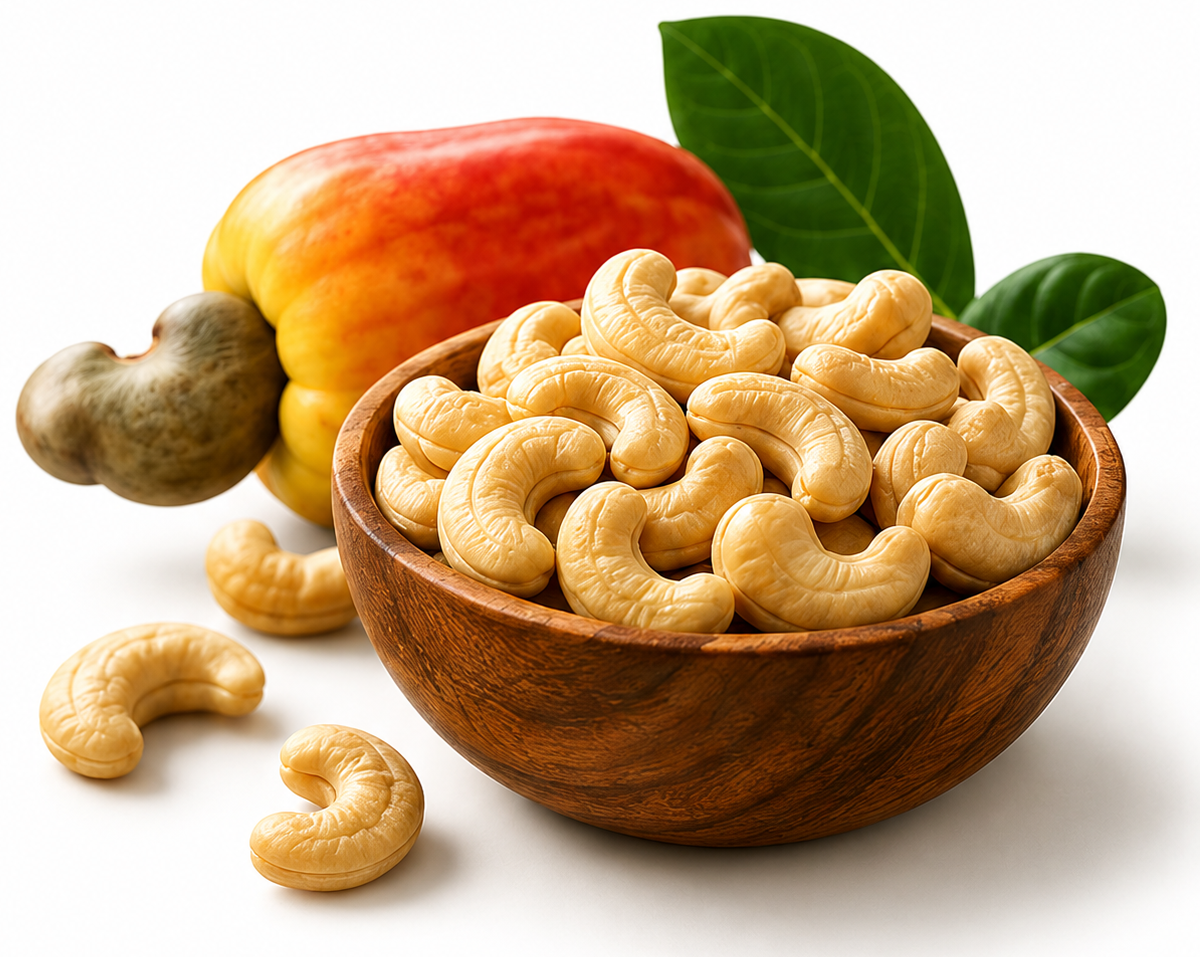
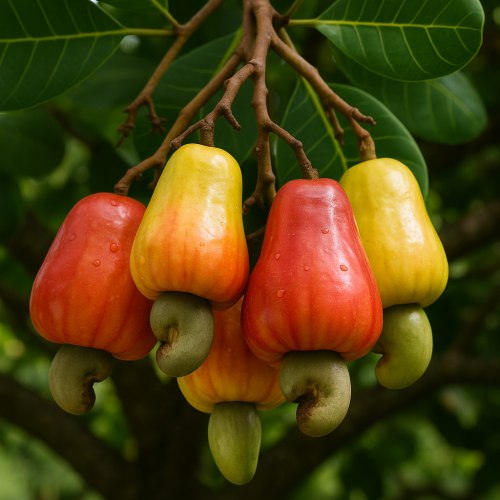
A Cashew Nut is the edible seed of the cashew tree, scientifically known as Anacardium occidentale. The nut grows attached to the bottom of a fleshy fruit called the “cashew apple.” Cashews are widely consumed as a snack, used in cooking, confectionery products, dairy alternatives, and processed into cashew butter and milk.
The cashew tree is a tropical evergreen that thrives in warm climates and is valued for both its nuts and cashew apples.
Origin of Cashew in India
Cashew is not native to India. It originated in Brazil and was introduced to India by Portuguese traders during the 16th century.
The Portuguese brought cashew trees to the west coast of India, particularly to Goa, primarily to prevent soil erosion along coastal areas. Over time, the crop adapted well to Indian conditions and became an important commercial plantation crop.
Today, major cashew-producing states in India include:
Goa
Kerala
Karnataka
Maharashtra
Tamil Nadu
Andhra
Pradesh
Nutritional Value
Health Benefits
Heart Health
May help support cardiovascular health.

Rich in Minerals
Good source of magnesium, copper, iron, and zinc.

Plant-Based Protein
A great source of protein for vegetarians and vegans.

Antioxidant Support
Contains antioxidants that help protect cells from damage.

Bone Health
Magnesium, phosphorus and copper contribute to healthy bones.

Cashew Industry in India
India is one of the world’s leading producers, processors, and exporters of cashew kernels. Indian cashews are highly valued in international markets for their quality, grading standards, and flavor. The industry supports millions of farmers, workers, processors, and exporters, especially in coastal regions such as Goa, Kerala, Karnataka, and Maharashtra.
Cashew nuts are premium, nutrient-rich kernels originating from the tropical cashew tree. Introduced to India through Goa in the 16th century, cashews have become one of India’s most important plantation crops, valued worldwide for their rich taste, versatility, and health benefits.

