



What are Cloves ?
(Elettaria cardamomum)
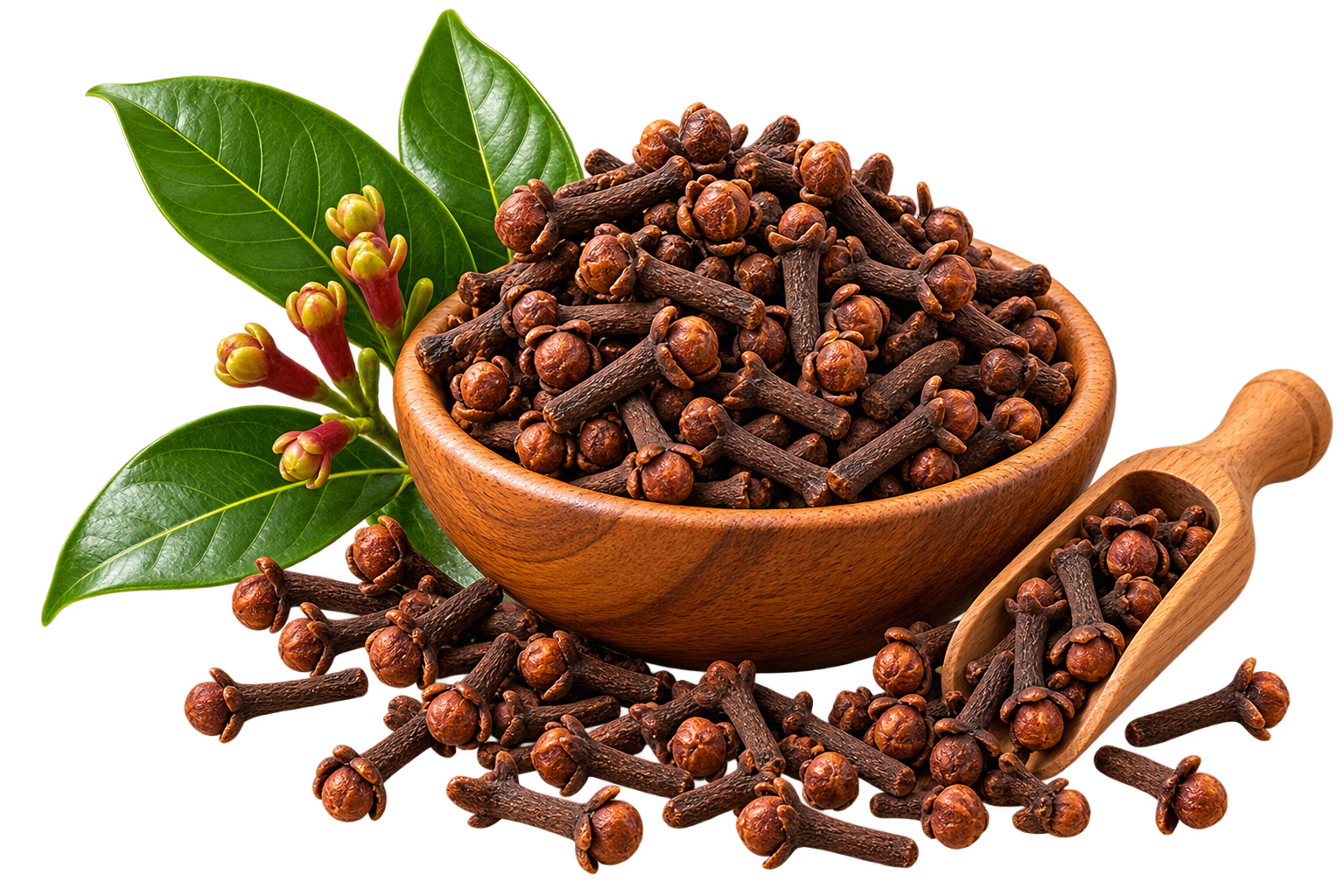
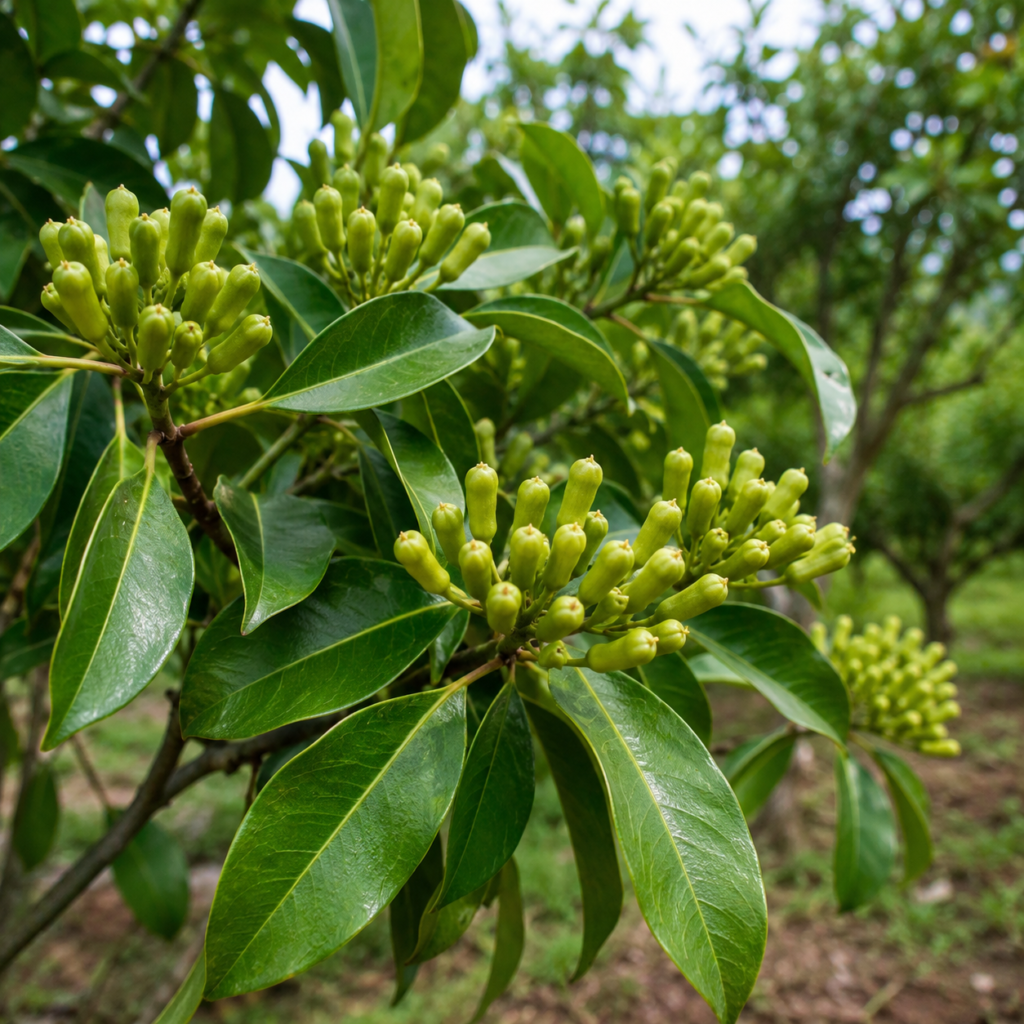
Cloves are the dried, unopened flower buds of the tropical evergreen tree Syzygium aromaticum. They are one of the world’s most aromatic spices, known for their strong, warm, sweet, and slightly pungent flavor.
Cinnamon is widely used in:
- Indian curries and biryanis.
- Dessert and baked goods.
- Tea and spice blends.
- Traditional Ayurvedic preparations.
πΏ ππ±The distinctive aroma of cloves comes primarily from eugenol, a natural compound with antioxidant and antimicrobial properties.
Origin of Cloves in India
Cloves are native to the Maluku Islands (also known as the Spice Islands of Indonesia).
Introduction to India
Cloves were introduced to India through ancient maritime spice trade routes. Today, commercial cultivation is concentrated in:
Kerala
Karnataka
Tamil Nadu
Andhra
Pradesh
India is a significant consumer of cloves, although it also imports a substantial portion of its requirement from producing countries such as Indonesia, Madagascar, and Sri Lanka.
Nutritional Value
Health Benefits
Rich in Antioxidants
Cloves contain high levels of eugenol and other polyphenols that help combat oxidative stress.

Supports Digestion
Traditionally used to help reduce indigestion, bloating and gas.

Oral Health
Clove oil is widely used in dental care products and has long been used for temporary relief of toothache.

Anti-inflammatory Properties
The eugenol in cloves may help reduce inflammation.
Antimicrobial Activity
Cloves contain compounds that may inhibit the growth of certain bacteria and fungi.
Uses in the Spice Industry
For companies selling spices,
cloves are available in:
hand-picked cloves
Quality Indicator
- Dark Brown Color
- Strong Aroma
- High Oil Content
- Uniform Size
- Intact Flower
In many Indian households, the fragrance of cloves in tea or festive dishes is associated with warmth, hospitality, and traditional home cooking. Whole cloves can retain their flavor and aroma for 2β4 years when stored in an airtight container away from heat, moisture, and sunlight.
